Every move marks a fresh start and leaving your old space clean and pollutant free is an important part of that journey. It is not just about ticking off a checklist or meeting landlord expectations; it’s about creating a space that feels truly refreshed, healthy and ready for its next occupants.
While most tenants focus on visible cleaning tasks, indoor pollutants like dust, mould, and chemical residues often go unnoticed. This article will provide you with practical ways to reduce indoor pollutants during bond clean. During your expert end of lease cleaning Melbourne, taking a more mindful approach can help you eliminate these hidden contaminants, ensuring the property is not only spotless but also safe and breathable.
1. Start with Proper Ventilation
Before you start cleaning, open all windows and doors to allow fresh air to circulate. Good ventilation, helps disperse airborne pollutants and reduces the concentration of dust and chemical fumes inside the property. It also makes the cleaning process more comfortable and effective.
If possible, use fans to improve airflow and push stale air outside. This is especially useful in areas like, kitchens and bathrooms where moisture and odours tend to accumulate. During end of lease cleaning; proper ventilation ensures that pollutants don’t settle back onto freshly cleaned surfaces.
2. Use Eco Friendly Cleaning Products
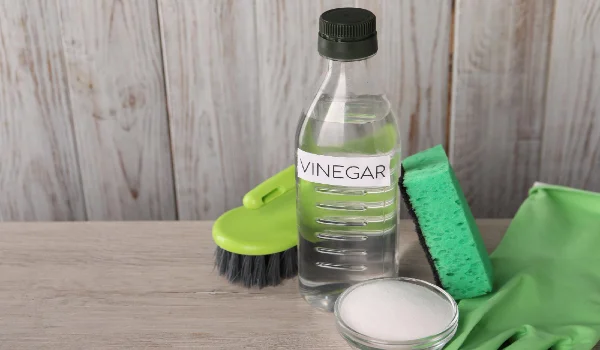
Many conventional cleaning products contain harsh chemicals that release volatile organic compounds (VOCs) which can contribute to indoor air pollution. Choosing safer alternatives helps create a healthier environment while still delivering effective results during your bond clean.
Here are some simple and effective options you can use:
- Vinegar: Great for cutting grease, removing stains and disinfecting surfaces
- Baking soda: Works well for scrubbing, deodorising, and lifting tough grime
- Lemon: Helps remove odours and adds a natural freshness to surfaces
- Microfibre cloths: Trap dust and dirt, without needing excessive chemicals
- Plant based cleaners: A safer alternative to traditional chemical heavy products
3. Focus on Dust and Allergen Removal
Dust is one of the most common indoor pollutants, and it often hides in overlooked areas such as ceiling fans, light fixtures, and skirting boards. Start by dusting from top to bottom so that particles fall to the floor, where they can be vacuumed later.
Using a vacuum cleaner with a HEPA filter is highly recommended, as it captures fine particles like pollen and pet dander. Don’t forget to clean upholstery, carpets and curtains, as these can trap allergens over time. A thorough approach ensures that your end of lease cleaning Melbourne goes beyond visible cleanliness to improve overall air quality.
4. Tackle Mould and Moisture Issues
Mould thrives in damp environments and can pose serious health risks, if not addressed properly. Bathrooms, kitchens and laundry areas are particularly prone to mould growth due to high humidity levels. Identifying and treating these areas is crucial during your cleaning process.
Use specialised mould cleaners or natural solutions, like vinegar, to remove mould effectively. Also, make sure that surfaces are completely dry after cleaning to prevent regrowth. Fixing minor issues like leaks or poor ventilation can also help maintain a pollutant free environment during and after your bond clean.
5. Clean Air Vents and Filters
Air vents and filters often accumulate dust and debris, which can circulate pollutants throughout the property. Cleaning these components is an essential, yet frequently overlooked step in the cleaning process.
Remove vent covers and wash them thoroughly, and replace or clean air filters where applicable. This improves airflow and ensures that the air circulating inside the home is clean and fresh. Including this step in your end of lease cleaning Melbourne checklist can significantly enhance indoor air quality.
6. Minimise Chemical Residue on Surfaces
After cleaning, residues from cleaning products can remain on surfaces, contributing to indoor pollution. It is important to wipe down surfaces, with clean water after using any cleaning solution to remove leftover chemicals.
Pay special attention to kitchen counters, bathroom tiles, and frequently touched areas. This extra step not only ensures a safer environment but also leaves surfaces looking streak free and polished. A residue free finish is a key part of an effective and professional bond clean.
7. Dispose of Waste Responsibly
Cleaning generates a significant amount of waste, including dust, debris and used cleaning materials. Proper disposal is essential to prevent pollutants, from reentering the indoor environment.
Seal waste in bags and dispose of it promptly in designated bins. Recycle materials wherever possible to reduce environmental impact. Keeping the space clutter free and waste free contributes to a cleaner and healthier property overall.
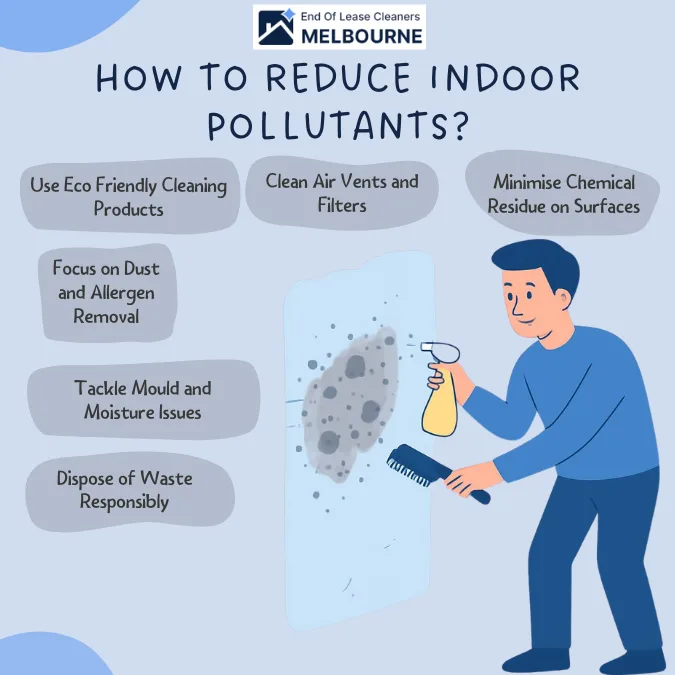
Infographic: How To Reduce Indoor Pollutants?
Wrapping Up
Reducing indoor pollutants during a bond clean is about more than just aesthetics; it’s about creating a safe and healthy living space. Incorporating these practical steps into your end of lease cleaning routine not only increases your chances of getting your bond back but also ensures that the property is left in excellent condition. A clean home should not just look good; it should feel fresh, safe, and ready for its next chapter.